
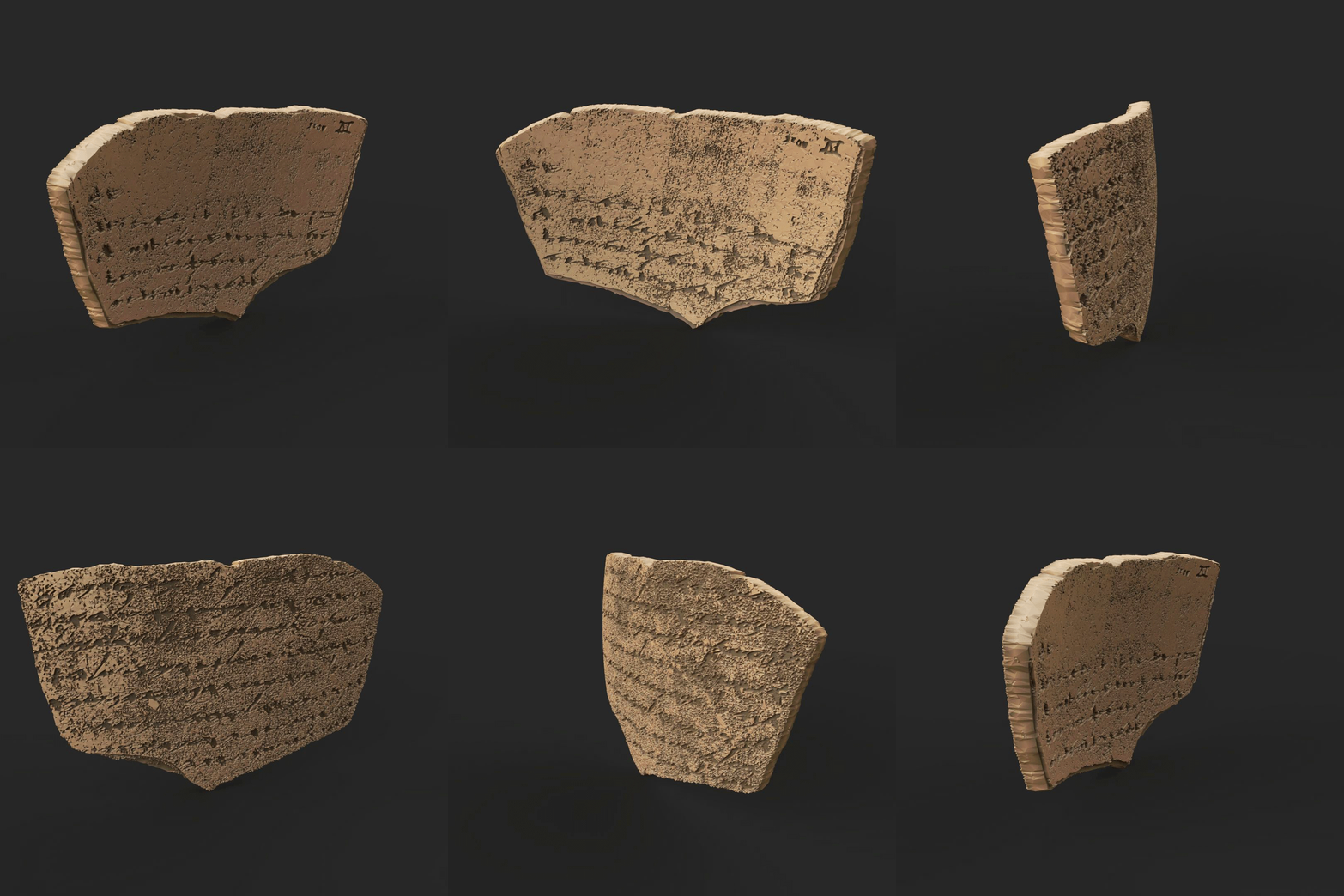

Historical Artifact Reconstruction
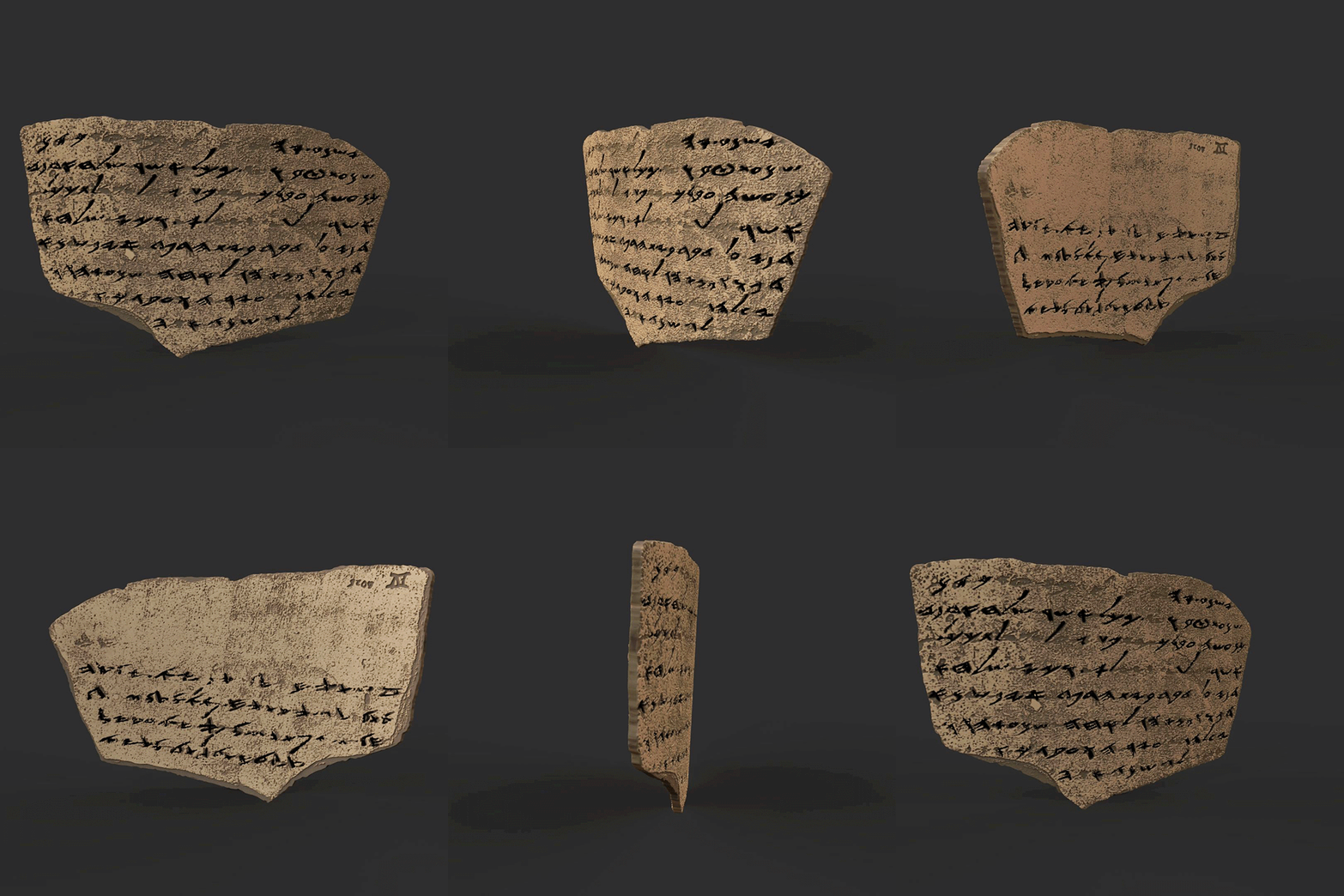
Bringing Ancient History to Life: The Lachish Ostracon IV
Step back to the final days of the Kingdom of Judah. As the Babylonian armies of Nebuchadnezzar II advanced toward Jerusalem, military commanders exchanged urgent messages on pieces of broken pottery. Among these, Lachish Ostracon IV captures a critical moment in Near Eastern history:
𐤅𐤉𐤃𐤏 𐤊𐤉 𐤀𐤋 𐤌𐤔𐤀𐤕 𐤋𐤊𐤉𐤔 𐤀𐤍𐤇𐤍𐤉𐤌 𐤔𐤌𐤓𐤉𐤌 𐤊𐤊𐤋 𐤄𐤀𐤕𐤕 𐤀𐤔𐤓 𐤍𐤕𐤍 𐤀𐤃𐤍𐤉 𐤊𐤉 𐤋𐤀 𐤍𐤓𐤀𐤄 𐤀𐤕 𐤏𐤆𐤒𐤄
“…we are watching for the signals of Lachish, according to all the indicators which my lord has given, for we cannot see Azekah.”
This exact line mirrors the dramatic historical context of Jeremiah 34:7, where Lachish and Azekah were the very last fortified strongholds standing against the siege: “and the forces of the king of Babylon are fighting against Jerusalem, and against all the cities of Judah that are left — against Lachish, and against Azekah, for these have been left among the cities of Judah, cities of fortresses.”
The Dual Use of the Tetragrammaton (YHWH)
The divine name YHWH (𐤉𐤄𐤅𐤄) appears twice in the inscription of Lachish Ostracon IV, serving distinct diplomatic and religious functions within late Judaean military correspondence:
Line 9 (Solemn Oath): The name recurs in the phrase (“As YHWH lives…”). In this context, it serves as a legal and military oath, swearing by the living God to affirm the absolute truthfulness and reliability of the officer’s report regarding the signal fires of Lachish and Azekah.
Line 2 (Formal Greeting): The text opens with (“May YHWH cause my lord to hear news of peace…”). Here, the Tetragrammaton functions as part of a standardized ancient Near Eastern blessing, invoking divine favor and protection upon the commanding officer.
3D Model & Design Details
This digital reproduction was sculpted to capture both the organic roughness of ancient Levantine ceramics and the delicate strokes of Paleo-Hebrew ink inscriptions.
- High-Detail Surface Geometry: Crafted with authentic surface noise, eroded edges, and realistic ceramic fractures derived from archaeological reference data.
- Paleo-Hebrew Script: The ancient ink inscription has been optimized for good 3D printing clarity.
- Optimized Topology: Clean quad/triangle structure, pre-tested for seamless slicing in resin (SLA) and filament (FFF) 3D printers.
Print & File Specifications
| Feature | Specification |
| File Formats | .OBJ, .STL, .3MF |
| Default Dimensions | 80 mm x 128 mm x 8 mm. |
| Recommended Tech | Resin (SLA/DLP) for fine line detail; FDM with fine nozzle (0.2–0.4 mm) Better if upscaled |
| Post-Processing Tip | Paint with a terra-cotta base, apply dark acrylic wash for the script, and seal with a matte varnish. |
Ideal For
- Historical museum displays and educational kits
- Tabletop display collections & archaeological replicas
- Biblical history enthusiasts and collectors
Download the model and print your own piece of ancient history
There is also a more enhanced and more “printable” version
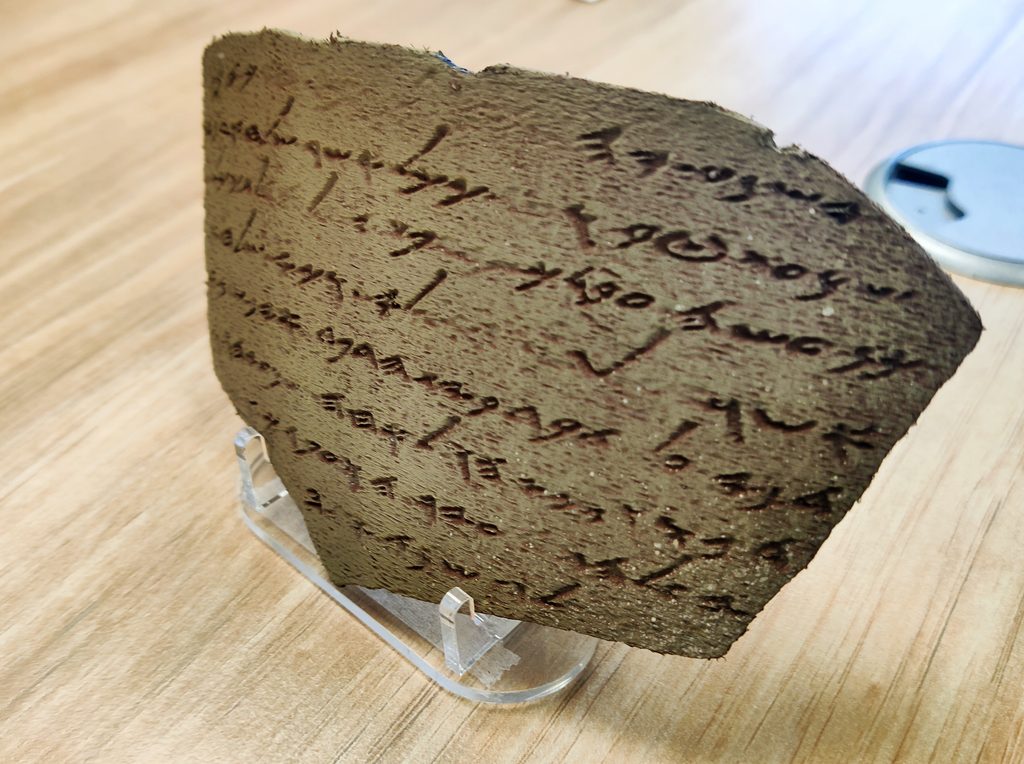
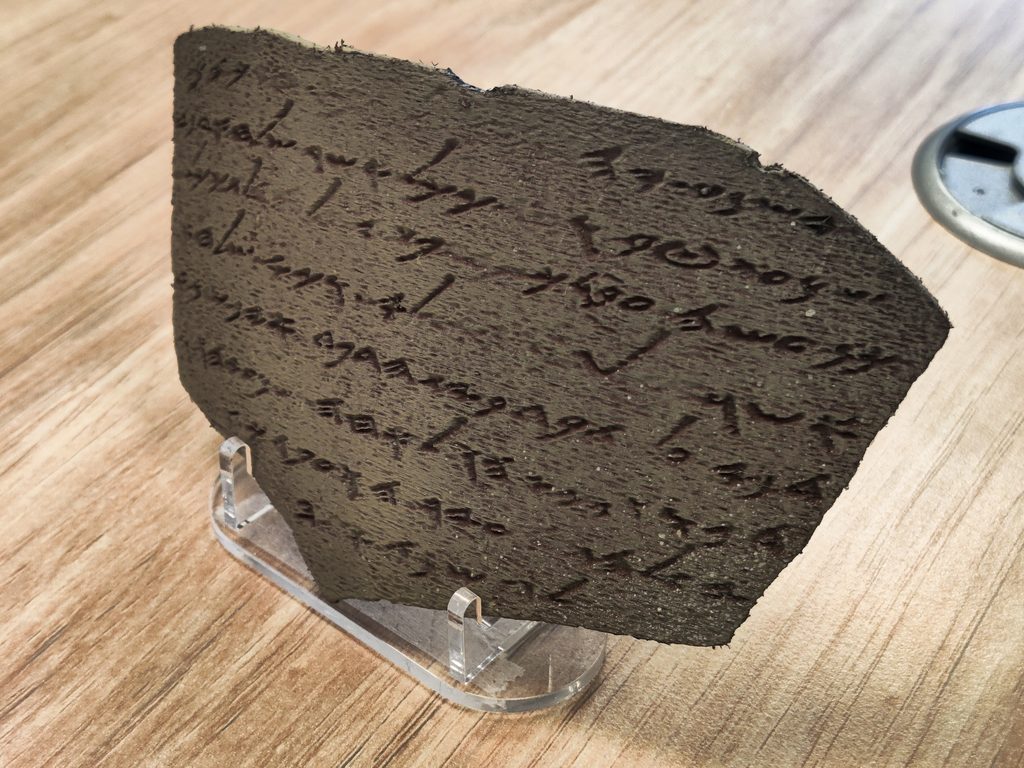
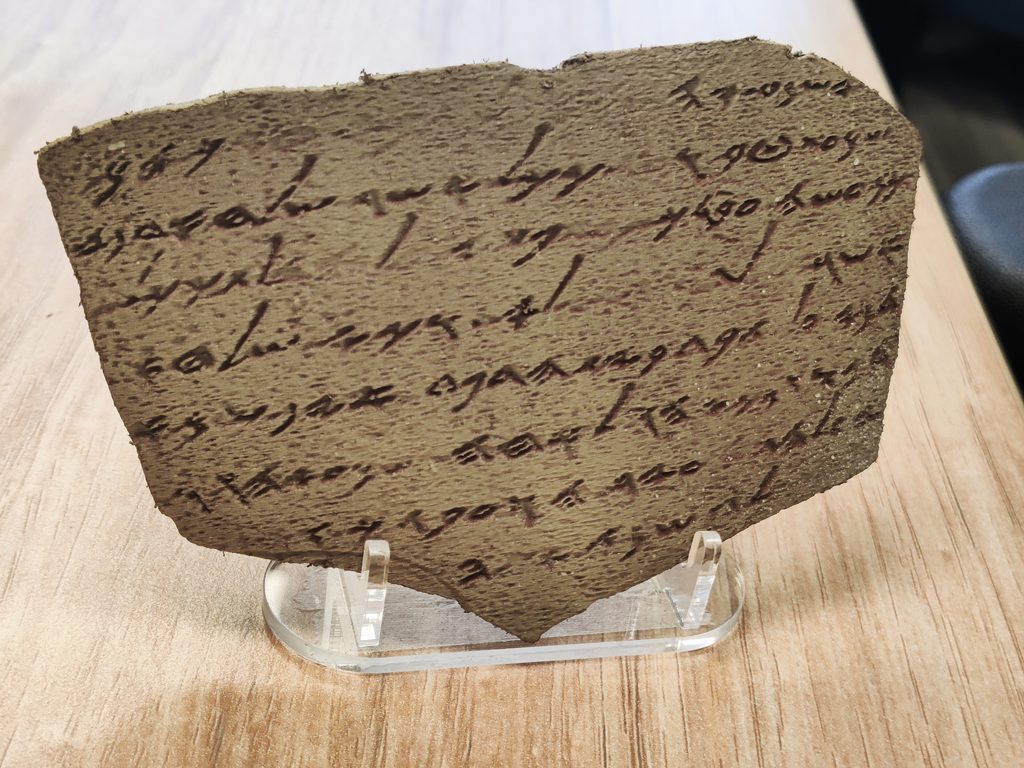
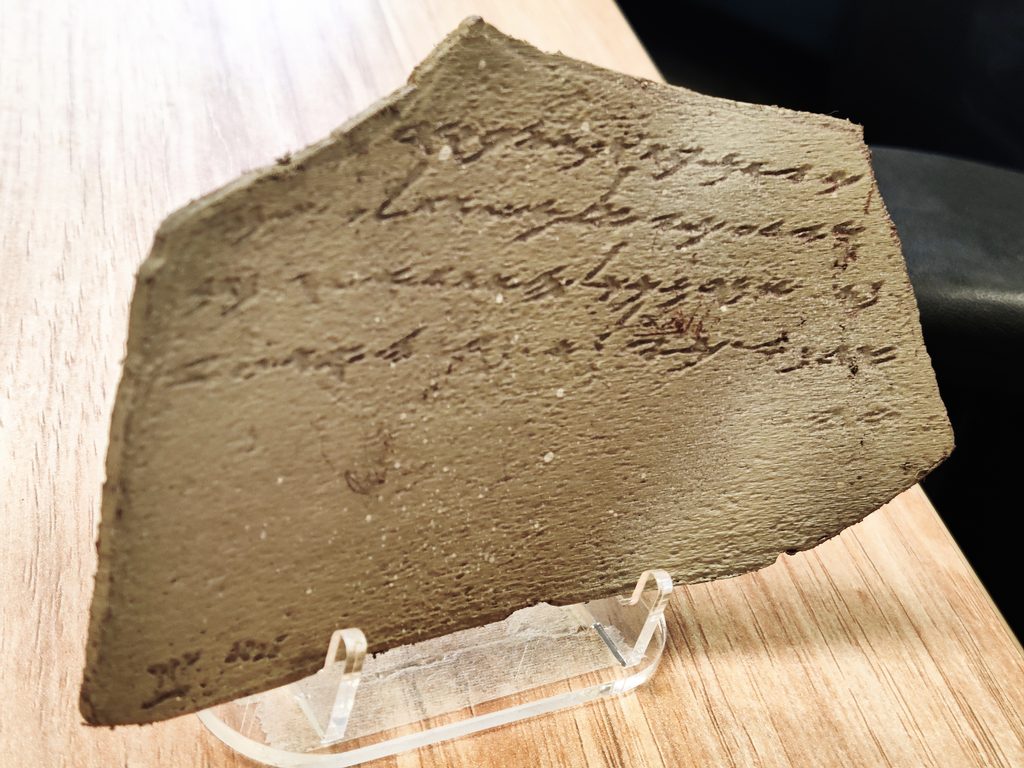
Realisation and painting of the model by Daren Hawk.
